The Truth About Electric Bike Fitness
Electric bikes—commonly called e-bikes or ebikes—have transformed cycling over the past decade. Whether you’re commuting through the city, climbing mountain trails, or exploring countryside routes, electric assistance has opened cycling to millions of people who may never have ridden regularly before.
Yet despite the surge in popularity, one question frequently sparks debate among cyclists:
Is riding an e-bike cheating?
Traditional cyclists sometimes argue that electric assistance removes the challenge that defines cycling. On the other hand, supporters claim that e-bikes simply make cycling more accessible, inclusive, and enjoyable.
The truth is far more complex. In this article, we’ll explore the reality behind e-bike riding, including fitness benefits, accessibility advantages, technological innovation, and the rapid growth of the global e-bike market.
Quick Answer: Is Riding an E-Bike Cheating?
If you’re looking for the short answer:
No, riding an e-bike is not cheating.
Most electric bikes require riders to pedal just like a normal bicycle. The electric motor simply assists the rider’s effort, especially on hills or long distances.
For many people, e-bikes actually increase physical activity, because riders cycle further and more often than they would on a traditional bike.
What Is an E-Bike?
Before discussing further whether riding an e-bike is “cheating,” it’s important to understand what an electric bicycle actually is.
An e-bike is a bicycle equipped with:
- A battery
- An electric motor
- A sensor system that detects pedalling
- A controller that regulates power delivery
Most modern e-bikes provide pedal assistance, meaning the motor only activates when the rider pedals. This is known as pedelec technology.
Common Types of E-Bikes
- Commuter e-bikes
- Electric mountain bikes (eMTB)
- Electric gravel bikes
- Electric cargo bikes
- Electric folding bikes
In many countries, including the UK and across Europe, legal e-bikes provide assistance up to 25 km/h (15.5 mph) before the motor cuts out.
The key point is simple: you still have to pedal. This means that e-bikes still require human effort.
Common Misconceptions About E-Bikes
Despite their popularity, several myths still surround electric bikes.
Myth 1: E-Bikes Do All the Work
Reality: Riders must still pedal.
Myth 2: E-Bikes Are Only for Lazy Riders
Reality: Many competitive cyclists use e-bikes for training, recovery rides, or commuting.
Myth 3: E-Bikes Are Only for the Elderly
Reality: Young riders are embracing e-MTBs, gravel e-bikes, and urban electric bikes.
Myth 4: E-Bikes Replace Traditional Cycling
Reality: Many cyclists own both types of bikes.
The Global Boom in E-Bike Sales
Electric bikes are now one of the fastest-growing sectors of the cycling industry.
The numbers behind the e-bike revolution are impressive.
Global E-Bike Market Growth
| Statistic | Data |
|---|---|
| Global e-bike sales (2023) | 40+ million units |
| Global e-bike market value | $50+ billion |
| Projected market by 2030 | $100+ billion |
| European e-bike sales (2023) | Nearly 10 million bikes |
| Growth in e-mountain bike sales | Over 20% annually |
Europe has become a major hub for e-bike adoption, with nearly 10 million electric bikes sold in 2023 alone.
Even fitness platforms like Strava have reported a dramatic increase in recorded e-bike rides, highlighting a 23% surge in electric cycling activity.
One of the fastest-growing categories is the electric mountain bike (eMTB). These bikes allow riders to climb steep trails more easily, giving them more time to descend and explore.
Clearly, electric bikes are not a niche trend—they are rapidly becoming a mainstream form of transport, recreation, and exercise.
Why Some Cyclists Think E-Bikes Are Cheating
Despite the benefits, some cyclists remain sceptical about electric bikes.
Here are the most common arguments.
1. The Motor Reduces Physical Effort
Because an e-bike motor helps riders accelerate and climb hills, critics argue it reduces the physical challenge.
Compared with traditional cycling, riders can climb hills faster and ride further.
2. Faster Trail Climbing in Mountain Biking
In mountain biking communities, some riders feel that e-MTBs make it easier to reach the tops of trails, giving them an advantage.
3. Cycling Tradition
Cycling has long been viewed as a purely human-powered sport, so some purists feel that adding a motor changes the nature of the activity.
While these concerns are understandable, they ignore several important benefits.
Why Riding an E-Bike Is Not Cheating
The reality is that e-bikes enhance cycling rather than replacing it.
1. You Still Have to Pedal
Unlike throttle-powered vehicles, most e-bikes use pedal assist technology.
This means:
- The rider must pedal continuously
- The motor simply amplifies effort
In many ways, riding an e-bike is similar to:
- Riding with a strong tailwind
- Cycling on flatter terrain
- Riding in a faster group
The rider remains the engine.
2. E-Bikes Encourage More Riding
One surprising effect of electric bikes is that people ride more frequently.
Riders often report that they:
- Take longer rides
- Commute by bike instead of driving
- Ride more days each week
This leads to higher overall activity levels.
3. E-Bikes Make Cycling Accessible
Perhaps the strongest argument against the “cheating” claim is accessibility.
Electric bikes allow many people to enjoy cycling who otherwise might struggle.
Groups That Benefit From E-Bikes
E-bikes are especially helpful for:
- Older cyclists
- Riders recovering from injury
- People with joint pain
- Individuals with chronic illnesses
- Cyclists with disabilities
For these riders, an electric bike restores independence and mobility.
Do E-Bikes Provide Real Exercise?
One of the most common misconceptions is that riding an ebike provides no real exercise.
This simply isn’t true.
Research and real-world riding data show that e-bike riders still experience meaningful physical activity.
Typical E-Bike Assistance Modes
| Mode | Effort Level | Ideal Use |
|---|---|---|
| Eco | High rider effort | Long rides and fitness |
| Tour | Moderate effort | Daily commuting |
| Sport | Reduced effort | Hills and headwinds |
| Turbo | Minimal effort | Steep climbs |
Many riders spend most of their time in Eco or Tour mode, meaning they still produce significant power.
Health Benefits of Riding an E-Bike
Riding an electric bike offers many of the same health benefits as traditional cycling.
Key E-Bike Fitness Benefits
Regular e-bike riding can help improve:
- Cardiovascular fitness
- Daily physical activity levels
- Mental wellbeing
- Balance and coordination
- Weight management
It also reduces sedentary time, which is one of the biggest contributors to modern health issues.
In many cases, people who buy e-bikes become more active overall.

E-Bikes Are Bringing New People Into Cycling
Perhaps the biggest benefit of e-bikes is their ability to expand the cycling community.
People who may never have considered cycling are now riding regularly.
This includes:
- Urban commuters
- People returning to exercise
- Families riding together
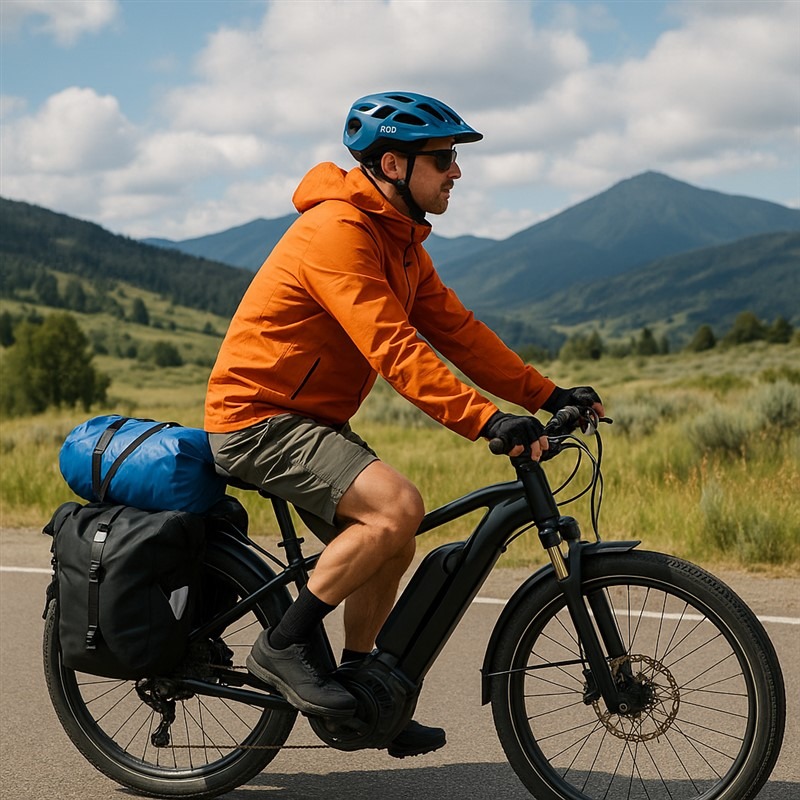
- Long-distance touring cyclists
As more people discover cycling, the entire industry benefits—from bike shops to trail networks.
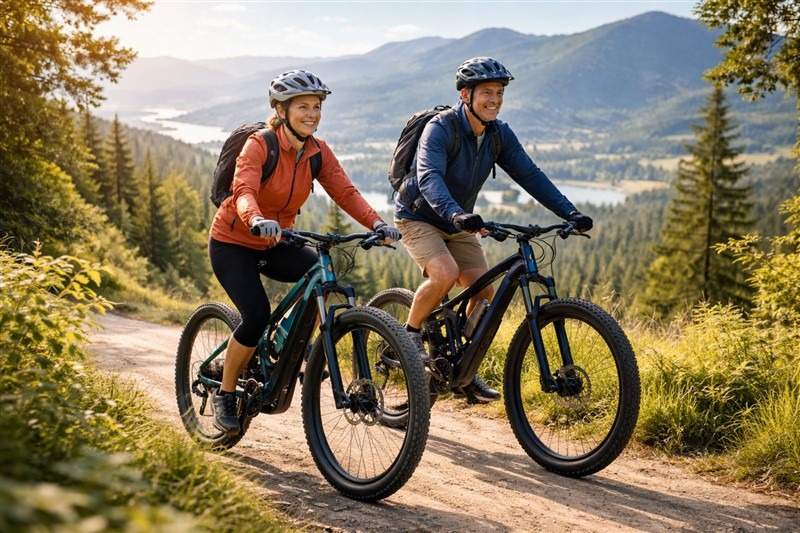
Why Electric Mountain Bikes Are So Popular
Electric mountain bikes—often called eMTBs—have become one of the most exciting developments in cycling.
These bikes combine:
- Advanced suspension systems
- Powerful motors
- High-capacity batteries
- Trail-ready geometry
Benefits of E-Mountain Bikes
Riders love eMTBs because they allow them to:
- Ride more laps of their favourite trails
- Climb steep terrain more easily
- Explore remote backcountry routes
- Ride longer adventures
For many riders, eMTBs simply mean more fun and more time on the trail.
Environmental Benefits of E-Bikes
Electric bikes also play a key role in sustainable transport.
Compared with cars, e-bikes:
- Produce far fewer emissions
- Reduce urban congestion
- Require minimal energy to operate
Many cities now promote e-bike commuting as a cleaner alternative to driving.

E-Bike vs Traditional Bike: Key Differences
| Feature | Traditional Bike | E-Bike |
|---|---|---|
| Motor | None | Pedal-assist motor |
| Effort required | High | Adjustable |
| Hill climbing | Challenging | Much easier |
| Distance potential | Moderate | Much longer |
| Accessibility | Limited for some riders | Much more inclusive |
Both types of bicycles offer unique benefits.
Many cyclists actually own both an e-bike and a traditional bike.
The Future of Electric Bikes
Electric bike technology continues to evolve rapidly.
Modern e-bikes now feature:
- Integrated batteries
- Lightweight motors
- Smartphone connectivity
- Advanced torque sensors
- Extended battery ranges
Over the next decade, the e-bike industry is expected to grow dramatically as cities invest in cycling infrastructure and consumers look for sustainable transport options.
FAQ
Are e-bikes cheating?
No. E-bikes provide pedal assistance but still require riders to pedal. They simply make cycling easier and more accessible.
Do you get exercise on an e-bike?
Yes. E-bike riders still burn calories and improve cardiovascular fitness, especially when riding in lower assistance modes.
Why are e-bikes so popular?
E-bikes allow people to ride longer distances, climb hills more easily, commute without cars, and stay active regardless of age or fitness level.
Are electric mountain bikes worth it?
Electric mountain bikes allow riders to climb trails faster and ride more laps, making them popular among both beginners and experienced riders.
Final Verdict: Is Riding an E-Bike Cheating?
So, is riding an e-bike cheating?
Absolutely not.
Electric bikes simply assist, not replace.
They allow people to:
- Ride further
- Ride more often
- Ride despite physical limitations
- Commute without cars
- Stay active later in life
In reality, e-bikes are bringing millions of new riders into cycling.
And that can only be a positive thing.
At the end of the day, cycling isn’t about proving how hard you can suffer—it’s about getting outside, moving your body, and enjoying the ride.