Introduction
Buying your first bike is an exciting step. Whether you’re planning to commute, improve fitness, explore the countryside, or take on long-distance adventures, choosing the right bicycle makes all the difference.
With so many styles, materials, price points, and technical specifications available, it’s easy to feel overwhelmed. This comprehensive guide will walk you through everything you need to know before purchasing your first bike — helping you make a confident, informed decision.
Why Buying the Right First Bike Matters
Your first bicycle shapes your entire cycling experience. The right bike feels comfortable, efficient, and enjoyable. The wrong one can lead to discomfort, frustration, or even injury.
A well-chosen bike will:
- Match your riding goals
- Fit your body correctly
- Suit your terrain
- Stay within your budget
- Encourage you to ride more often
This bike buying guide ensures you invest wisely from the start.
Step 1 – Define Your Riding Goals
Before researching brands or components, ask yourself:
- Where will I ride most?
- How often will I ride?
- What is my main purpose? (Fitness, commuting, touring, racing, leisure)
Your answers determine the best bike for beginners in your situation.
Common Riding Categories
1. Road Cycling
Best for smooth tarmac and longer distances. Lightweight and efficient.
Ideal if you want:
- Speed
- Fitness training
- Sportives or endurance rides

2. Mountain Biking
Designed for trails, gravel paths, and technical terrain.
Best for:
- Off-road riding
- Forest tracks
- Adventure routes
3. Hybrid Bikes
A versatile mix between road and mountain bikes.
Great for:
- Commuting
- Leisure rides
- Light gravel paths
4. Gravel Bikes
Built for mixed surfaces and long-distance exploration.
Perfect for:
- Adventure riding
- Bikepacking
- Rough country roads
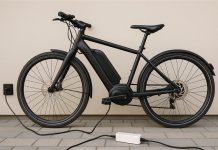
5. Electric Bikes (E-Bikes)
Feature motor assistance.
Suitable for:
- Longer commutes
- Hilly areas
- Riders wanting assistance
Defining your riding purpose is the most important step in buying your first bike.
Road Bike vs Mountain Bike – Key Differences
One of the most searched comparisons in cycling is road bike vs mountain bike. Here’s a simplified breakdown:
| Feature | Road Bike | Mountain Bike |
|---|---|---|
| Tyres | Thin, smooth | Wide, knobbly |
| Riding Position | Forward & aerodynamic | Upright & stable |
| Terrain | Tarmac | Trails & off-road |
| Suspension | None | Front or full suspension |
| Speed | Faster on roads | Slower on roads |
| Comfort | Efficient but firm | Cushioned over rough ground |
If most of your riding will be on paved roads, a road or hybrid bike is generally better. If you plan to explore trails, choose a mountain bike.
Choosing the Right Frame Size (Bike Frame Size Guide)
One of the biggest mistakes beginners make is buying the wrong frame size.
A poorly fitting bike can cause:
- Knee pain
- Back discomfort
- Shoulder strain
- Reduced efficiency
Why Fit Matters
The correct size ensures:
- Proper leg extension
- Balanced weight distribution
- Comfortable reach to handlebars
- Improved power output
Basic Frame Size Guidelines
Most brands size bikes using Small, Medium, Large, or by centimetres (cm). While charts vary slightly, here is a general guide:
| Rider Height | Road Bike Frame | Mountain Bike Frame |
|---|---|---|
| 5’0″–5’4″ | 49–52 cm | Small |
| 5’4″–5’8″ | 52–54 cm | Small–Medium |
| 5’8″–5’11” | 54–56 cm | Medium |
| 5’11″–6’2″ | 56–58 cm | Large |
| 6’2″+ | 58–61 cm | XL |
Always check manufacturer sizing charts and, if possible, test ride.
Understanding Bike Frame Materials
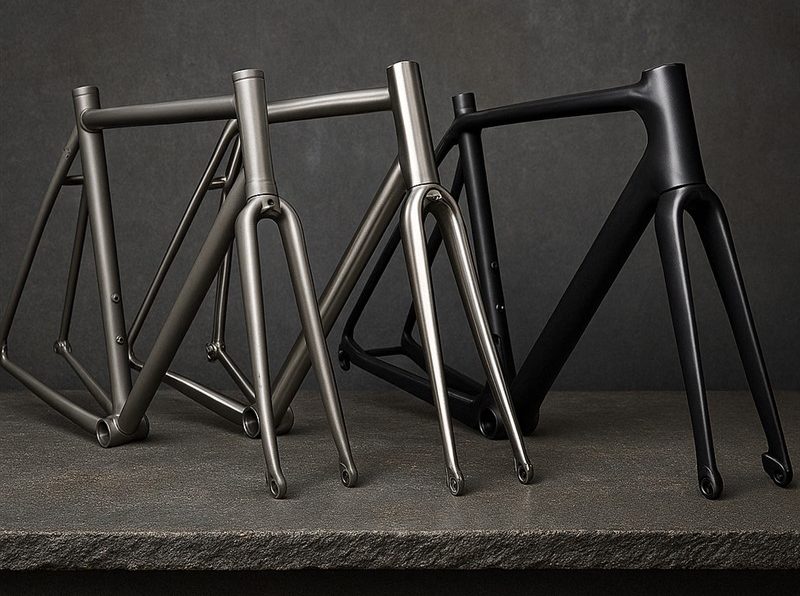
The frame material affects weight, ride feel, durability, and cost.
Aluminium
- Lightweight
- Affordable
- Low maintenance
- Common for beginners
Ideal for first-time buyers on a budget.
Carbon Fibre
- Very lightweight
- Excellent vibration damping
- More expensive
- Performance-focused
Better suited to serious riders.
Steel
- Durable
- Smooth ride quality
- Heavier
- Long-lasting
Titanium
- Reasonably lightweight
- Smooth ride characteristics
- Strong
- Corrosion resistant
Often preferred for touring or long-distance riding.
For most beginners, aluminium offers the best balance between performance and price.
Gears Explained
Understanding gearing is essential when learning how to choose a bike.
What Do Gears Do?
Gears help you:
- Climb hills efficiently
- Maintain speed on flat roads
- Avoid excessive strain
How Many Gears Do You Need?
Modern bikes often have:
- 8–12 speeds on road bikes
- 10–12 speeds on mountain bikes
More gears don’t always mean better performance. What matters is having a suitable gear range for your terrain.
If you live in a hilly area, choose a bike with a wide range of gears.
Brakes – Disc vs Rim
Another key consideration in a beginner bike guide is braking performance.
Rim Brakes
- Lightweight
- Lower cost
- Easier maintenance
Disc Brakes
- Better stopping power
- Perform well in wet conditions
- Increasingly common
For most new riders, mechanical or hydraulic disc brakes offer better all-weather confidence.
Setting a Realistic Budget
When buying your first bike, avoid choosing solely based on price. Consider value.
Entry-Level Budget (£400–£800)
- Aluminium frame
- Reliable components
- Ideal for beginners
Mid-Range (£800–£1500)
- Lighter frames
- Improved drivetrain
- Better braking systems
High-End (£1500+)
- Carbon frames
- Advanced groupsets
- Performance-focused
Remember to budget for accessories.
Essential Accessories for First-Time Buyers
Your total investment includes more than just the bike.
Must-Have Items:
- Helmet
- Lights (front & rear)
- Lock
- Pump
- Spare tube
- Multi-tool
- Bottle cage
These essentials improve safety, reliability, and enjoyment.
New vs Used Bikes
When deciding on the best bike for beginners, you may consider buying used.
Buying New
Pros:
- Warranty protection
- No hidden damage
- Latest components
Cons:
- Higher cost
Buying Used
Pros:
- Better value for money
- Access to higher spec within budget
Cons:
- Risk of wear or hidden issues
- No warranty
If you lack mechanical knowledge, buying new from a reputable shop is often safer.
Should You Buy Online or From a Bike Shop?
Local Bike Shop (LBS)
Benefits:
- Professional advice
- Bike fitting
- After-sales service
- Assembly included
Online Retailers
Benefits:
- Competitive pricing
- Wider selection
For beginners, in-person guidance often outweighs small cost savings.

Test Riding – The Final Decision Step
If possible, always test ride before purchasing.
Check for:
- Comfort
- Stability
- Ease of shifting
- Brake responsiveness
- Handlebar reach
Trust how the bike feels. Confidence is key.
Common Mistakes to Avoid
When buying your first bike, avoid these errors:
- Choosing the wrong size
- Buying based on appearance only
- Ignoring riding goals
- Overspending on unnecessary upgrades
- Forgetting to budget for accessories
A thoughtful approach prevents regret later.
Maintenance Considerations for Beginners
Owning a bike involves basic care.
Regular Maintenance Includes:
- Cleaning the drivetrain
- Checking tyre pressure
- Lubricating the chain
- Inspecting brake pads
- Tightening bolts
Learning basic maintenance saves money and extends your bike’s lifespan.
How to Future-Proof Your First Bike
While it’s your first purchase, consider long-term growth.
Ask yourself:
- Will I ride longer distances in the future?
- Do I want to upgrade components later?
- Can this bike adapt to different tyres?
Choosing a bike with upgrade potential adds long-term value.
Final Thoughts – Making the Right Choice
Buying your first bike should feel exciting, not confusing. By understanding your riding goals, choosing the correct frame size, selecting suitable components, and setting a realistic budget, you position yourself for success.
The perfect beginner bike:
- Fits correctly
- Matches your terrain
- Aligns with your goals
- Offers reliable performance
- Encourages consistent riding
Remember, cycling is about enjoyment, freedom, and exploration. The right bike enhances all three.
Take your time. Ask questions. Test ride when possible.
Once you make your choice, the real adventure begins.